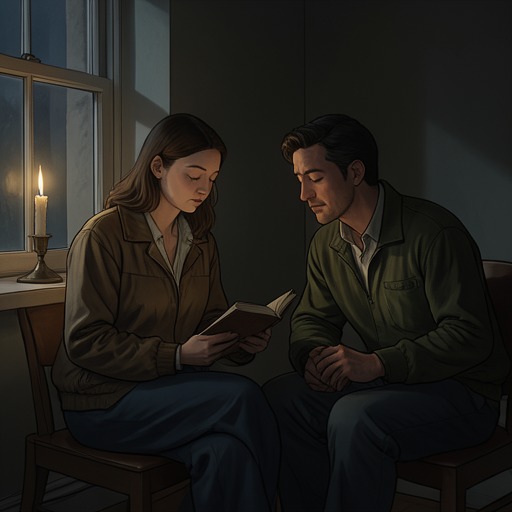
Even the damned need their stories told
After Ever Happy“Even the damned need their stories told” is Hardin Scott’s defense of telling a dark, imperfect life story. Spoken to Tessa as she questions why publishers want his manuscript, the phrase recasts the book not as a conventional romance but as testimony that may help readers recognize their own struggles and mistakes.
Meaning in Context
Tessa doubts the manuscript’s appeal because it is not a typical love story and the little she has read seems dark. Hardin answers, “Even the damned need their stories told, Tess.” When Tessa insists he is not damned, her response exposes the tension within the phrase: Hardin speaks from a sense of moral failure, while she resists reducing him to that judgment.
The Manuscript as Testimony
Hardin explains that writing gave him an outlet and another form of therapy. He does not present the book as an excuse for the harm he has caused; he says he regrets his actions and would not repeat or condone them. Instead, he hopes that people who have made mistakes or endured difficult experiences may recognize something of themselves in the story, and perhaps learn from what he and Tessa have done.
Recognition and Exposure
The phrase offers a rationale for publication, but not reassurance that publication will be painless. Tessa worries that readers may reject the book or judge their lives, and says she is not ready for that attention. Hardin accepts the possibility of hatred rather than allowing anticipated judgment to silence the story. The exchange therefore holds two consequences together: telling may create recognition and connection, while also making private pain public.